01
Photo booth experience
A defined capture area gives guests a predictable place to step in, pose and move through at a steady pace.
Photo booths and backdrop zones work best when the area is visually clear, easy to approach and sized for both small groups and the flow of people waiting their turn.

A defined capture area gives guests a predictable place to step in, pose and move through at a steady pace.
A decorative backdrop creates a strong visual anchor and can be useful when the event already has a photographer or self-service capture approach.
Corporate events can use coordinated backdrop graphics and event styling to make the photo area feel connected to the rest of the room.
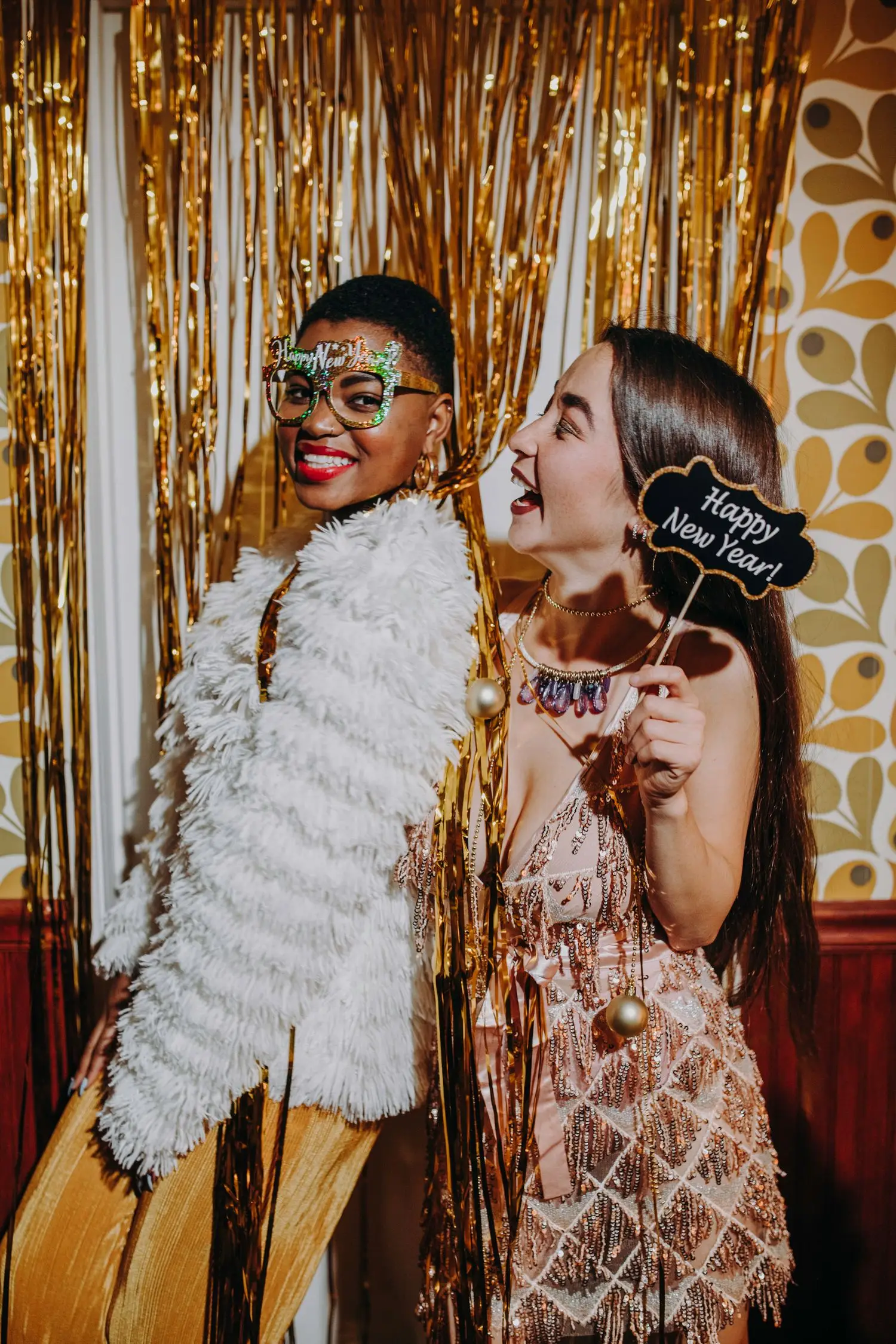
The camera position, backdrop and guest standing area all need separation. A narrow corner may look suitable on a floor plan but become difficult once a group is posing and another group is waiting. We recommend placing the photo experience where people can approach from the side without crossing the primary route through the venue.

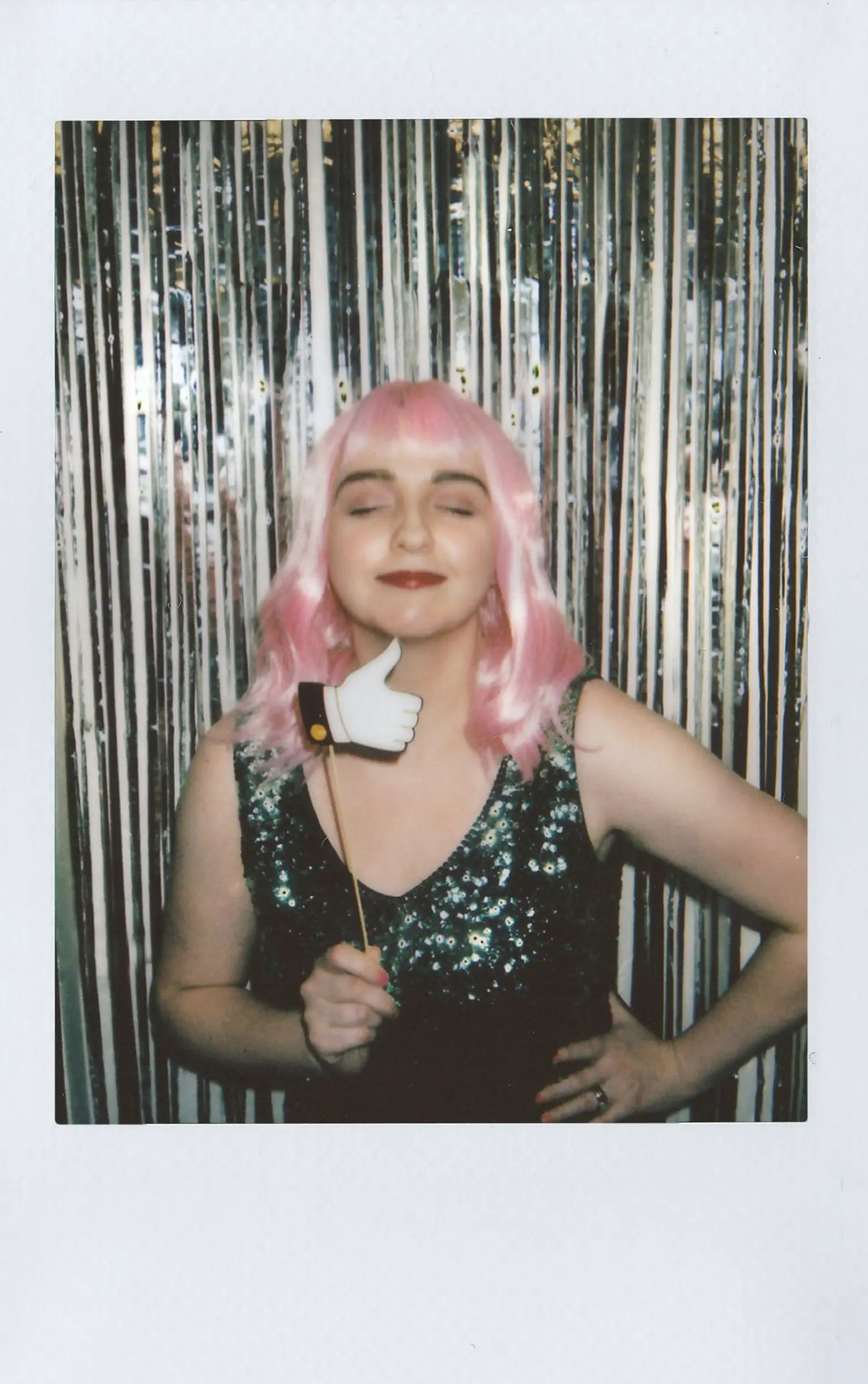
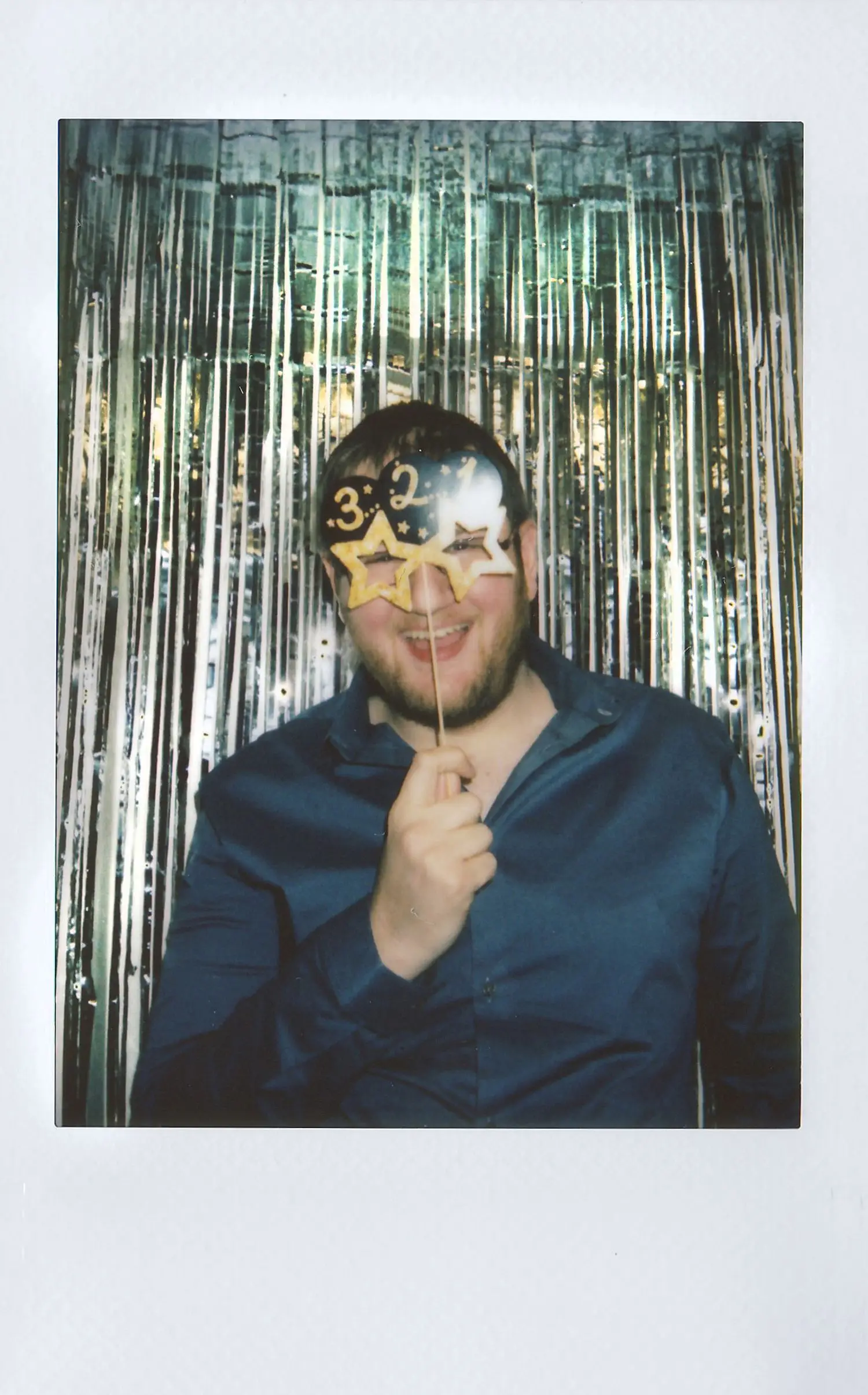
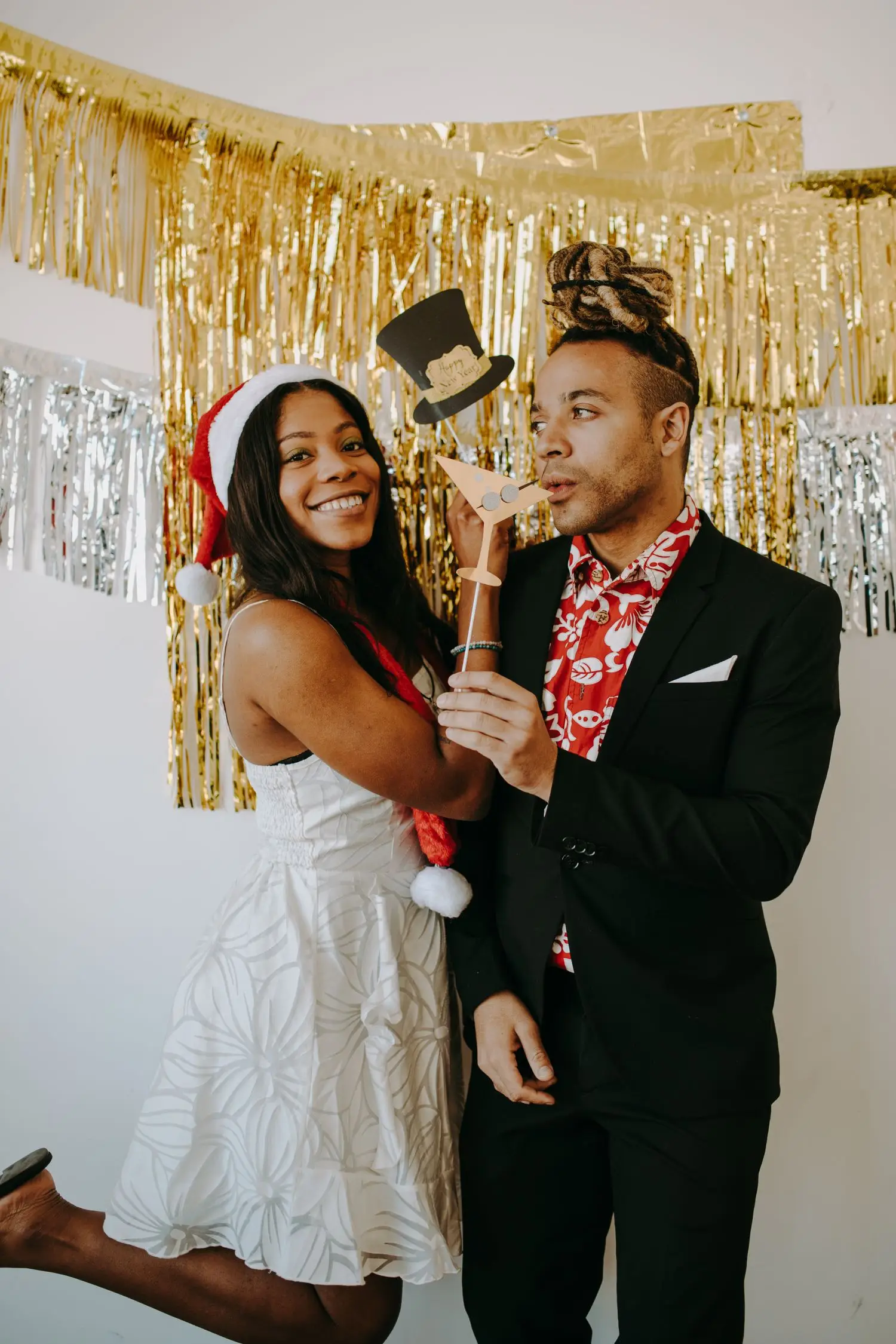
Useful for team celebrations, branded events, conferences and launch occasions where guests benefit from a shared visual activity.
Creates a repeatable activity for birthdays, receptions, anniversaries and milestone gatherings without taking over the full programme.
Place the photo area away from gaming queues and poker seating so each zone keeps a clear purpose and movement pattern.
The exact footprint depends on the backdrop and capture format, but you should allow room for the backdrop, camera position, posing group and a small waiting area.
Yes. Mixed layouts work well when each activity has its own zone and the photo queue does not cross the traffic path around tables or gaming equipment.
Yes. Send the venue layout or room measurements and we can discuss a practical position during planning.
Share the venue, event style and expected guest count so we can discuss the most practical format.
Backdrop width alone does not define the required space. Guests need room to form groups, enter the frame, step out, review the experience and leave without crossing directly through the next photograph.
The backdrop should read clearly from the event floor and suit the scale of the venue. A compact photo booth can work in tighter rooms, while a wider photo zone is better when larger groups are expected to pose together.
Consistent light and enough distance between guests and the camera help create a cleaner result. The photo area should avoid strong visual interference from unrelated equipment or heavy guest traffic behind the subject.
The best position gives waiting guests somewhere obvious to stand while keeping doorways and service routes clear. A separate exit direction reduces crossover between groups entering and leaving the photo area.
A visible photo area can become one of the easiest entry points into an event because guests understand immediately what to do. Pairs, families, colleagues and small groups can participate without learning rules or waiting for a game round to finish. This makes the format useful alongside poker tables and gaming stations, which have different participation patterns.
For corporate events, a controlled visual treatment can support the event theme and give attendees a consistent place for group photographs. For private celebrations, props and a more relaxed composition can create a playful focal point. In either case, the surrounding area should remain tidy enough that the photographs are not dominated by cables, storage or unrelated venue equipment.
Positioning should reflect the event schedule. If the main room becomes busy after a presentation or meal period, the photo area should be ready before that traffic peak. If guests arrive gradually, a visible photo zone near—but not directly inside—the arrival path can encourage early participation.
A popular photo zone naturally attracts small groups, spectators and people waiting for their turn. That makes the surrounding space just as important as the backdrop itself. We recommend leaving a clear side approach and enough open area for one waiting group without forcing others into a main walkway.
At corporate events, place the photo zone where guests can find it easily but where it will not compete with presentations. At private events, it often works well near a social gathering area while still remaining separate from seated tables.
Backdrop choice, prop selection and surrounding lighting should feel connected rather than random. A smaller set of coordinated visual elements usually photographs more cleanly than an overcrowded collection.
If the event uses more than one entertainment service, we can keep the photo zone visually distinct while maintaining the same overall spacing and presentation standard across the room.