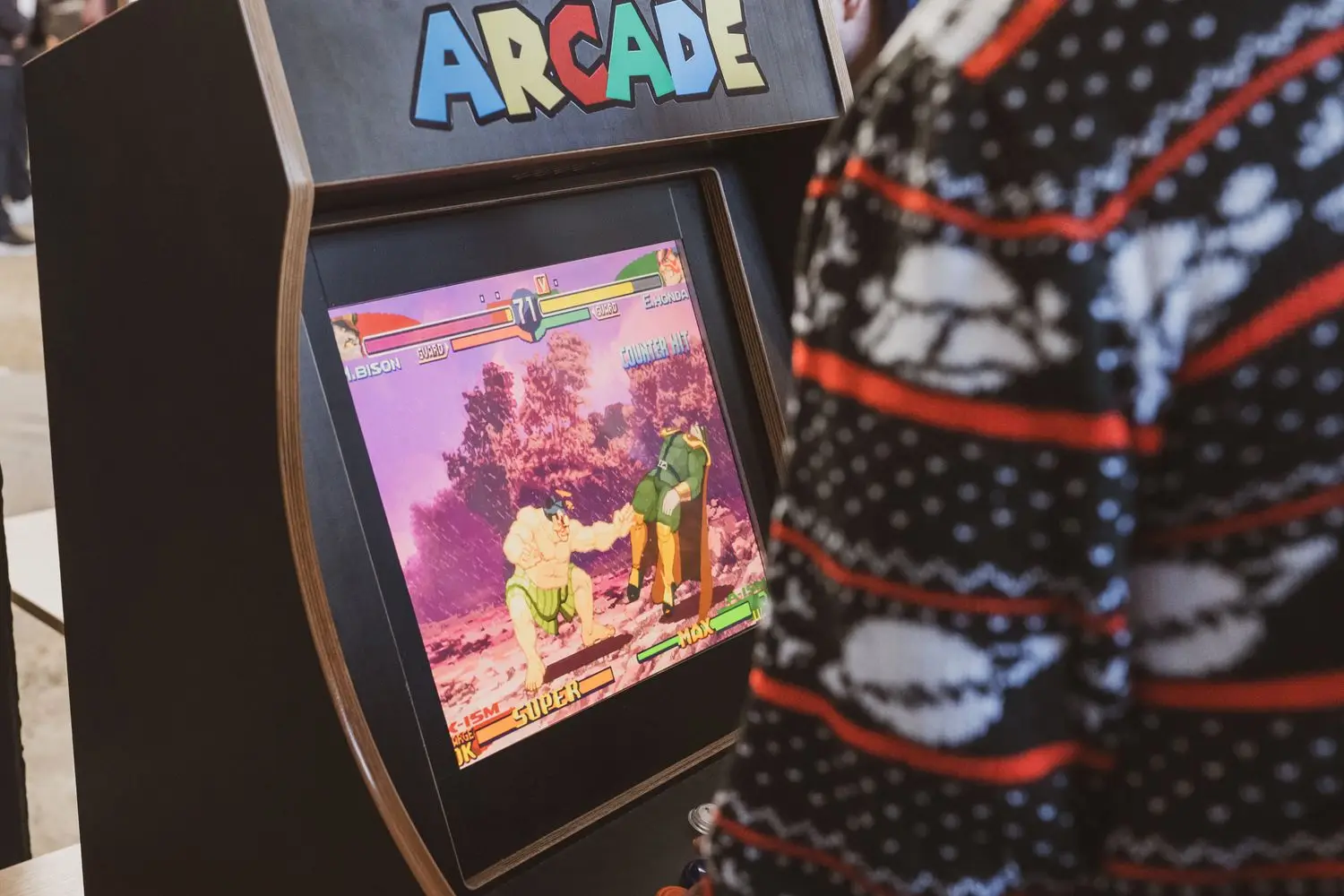
Arcade-style machines
Recognizable, self-contained games that invite short turns and casual competition throughout the event.
Arcade-style machines, retro gaming and competitive group activities can give guests short, repeatable entertainment without requiring everyone to participate at the same time.
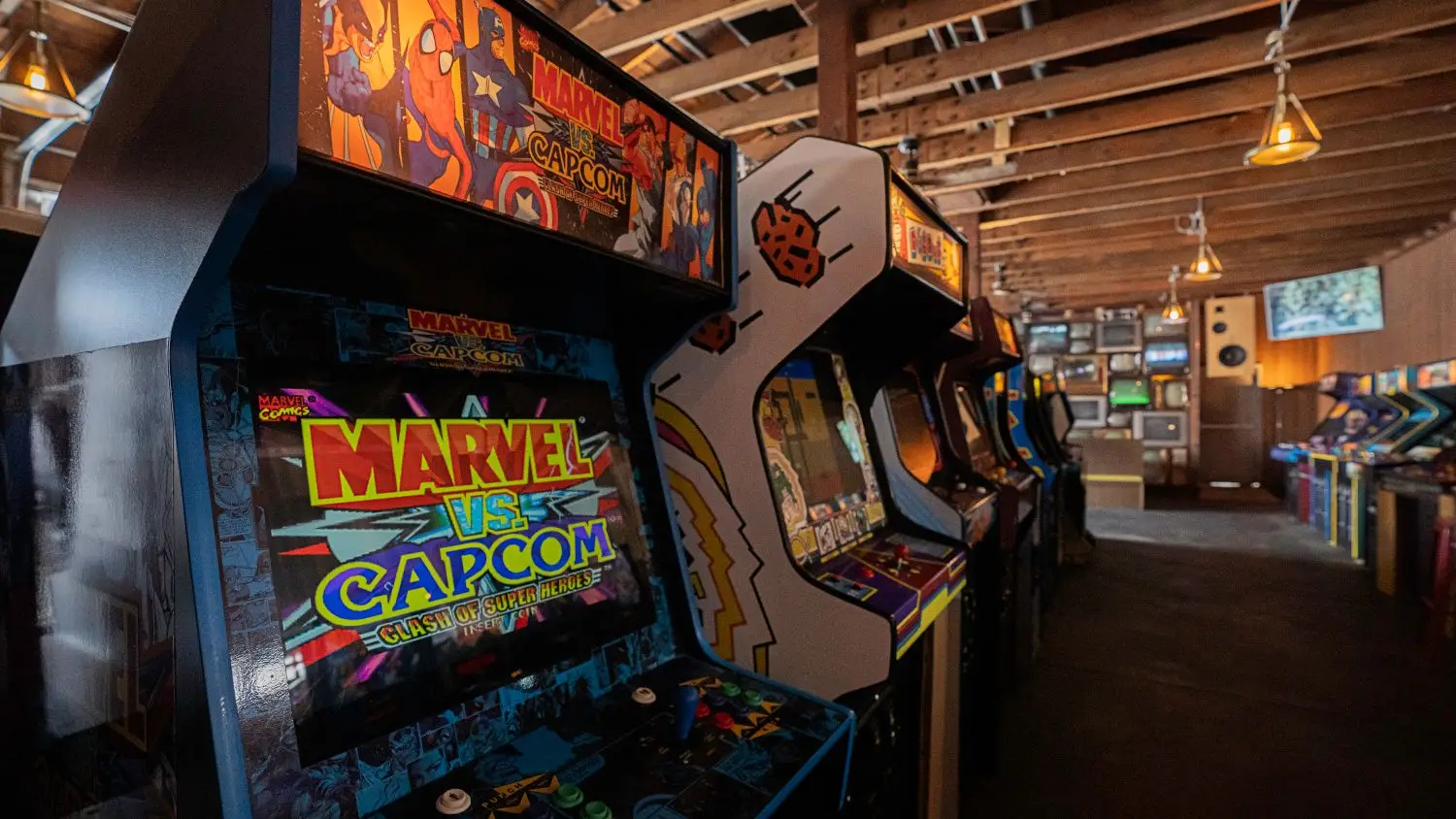
Gaming equipment works best when guests can understand what to do quickly, take a turn and move on without creating a long queue.
Recognizable, self-contained games that invite short turns and casual competition throughout the event.
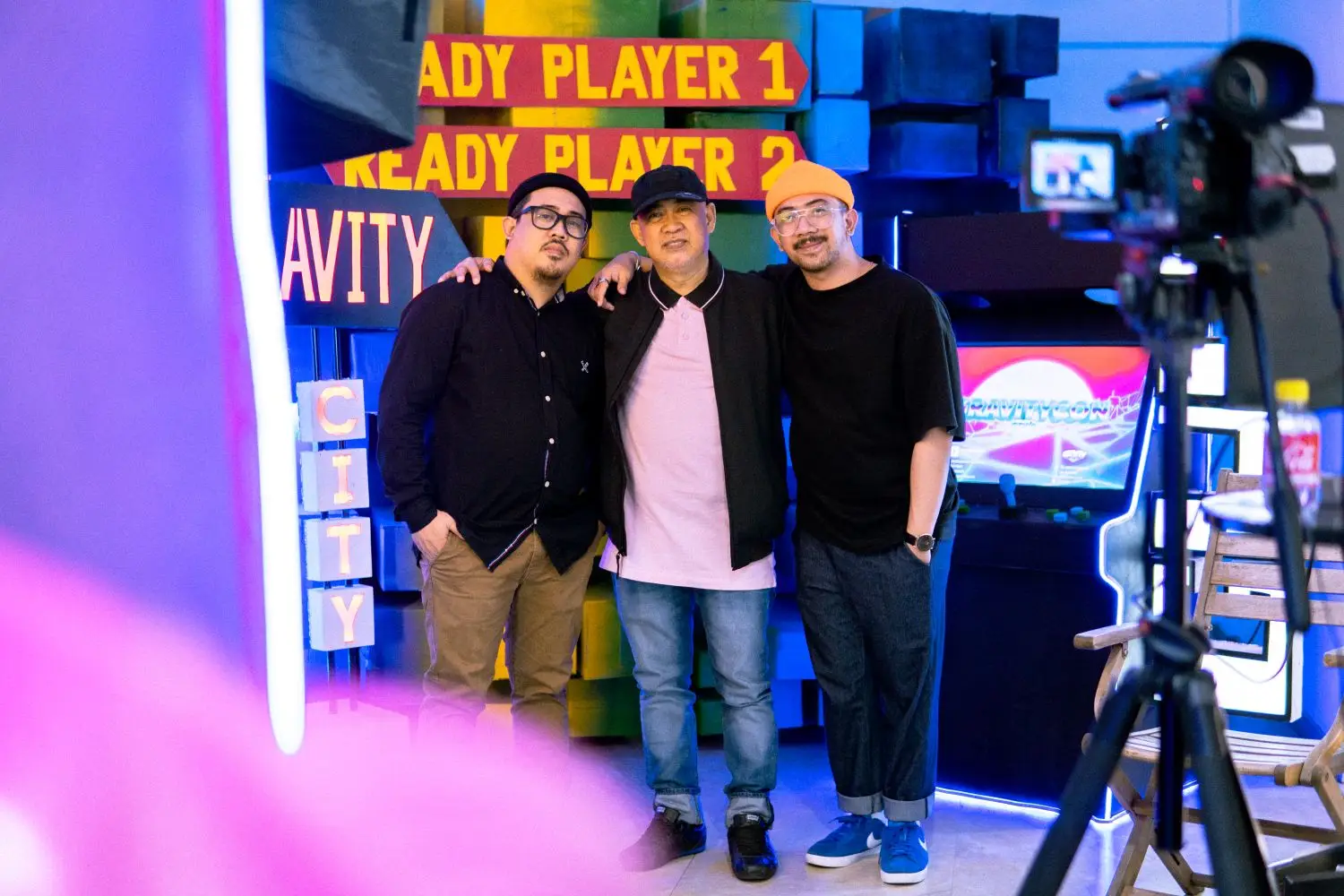
Flexible activity points for guests who want to participate without committing to a long session.
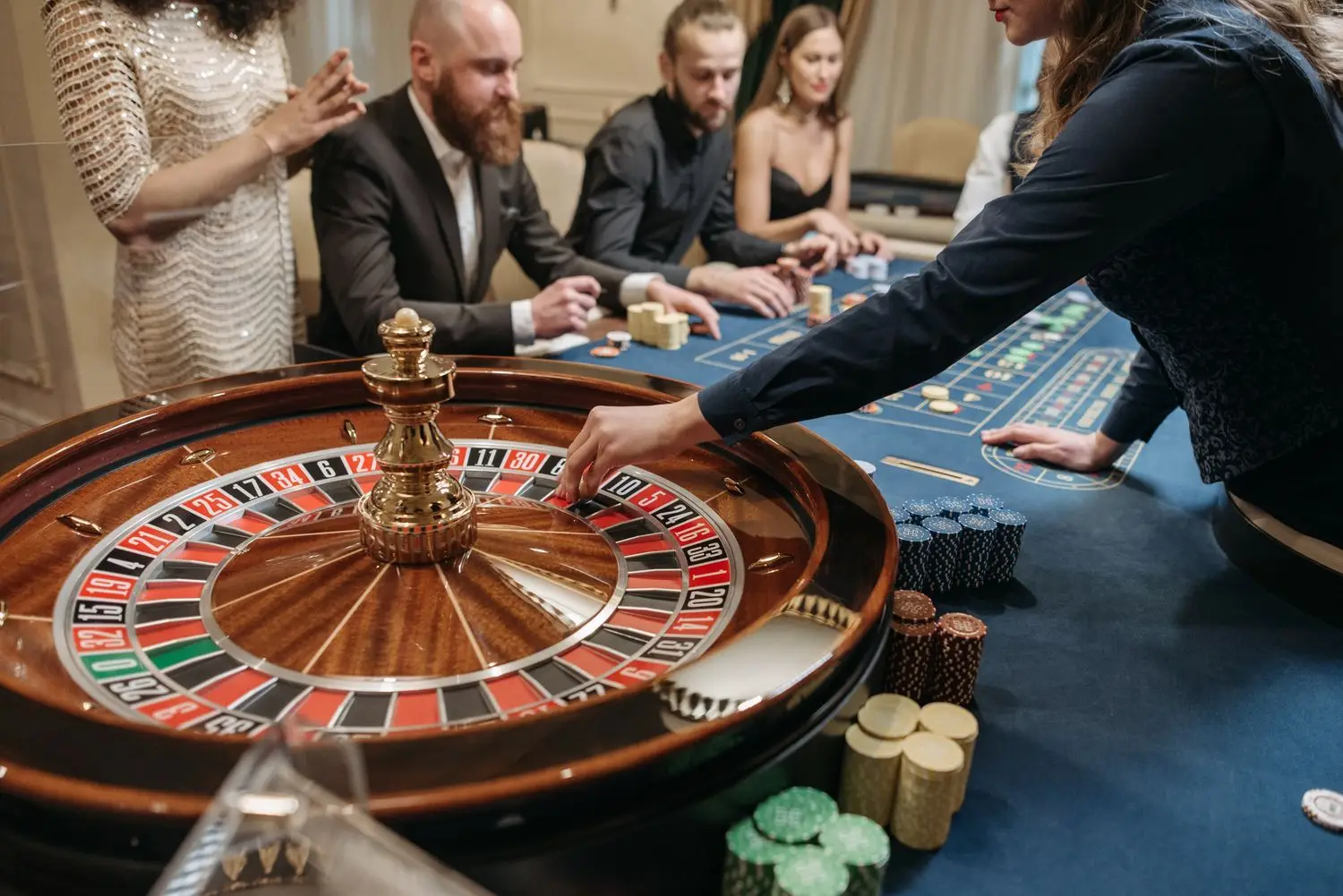
Table and standing activities can be used as social competition when you want guests to gather around a shared focal point.
For equipment that uses mains power, we confirm access to suitable outlets and avoid placing cables across primary walkways. The aim is to keep the gaming area visually tidy, easy to supervise and separate from narrow circulation routes.
Start with the equipment most likely to attract your audience, then add supporting activities around it.
Allow room for current players, waiting guests and people simply watching without blocking another station.
Place higher-energy equipment away from quieter seated activities where the venue layout allows.
Position stations so guests can move through the entertainment area without crossing the same path repeatedly.
Confirm outlet placement and safe cable routing before finalizing the room plan.
Keep enough clearance to move equipment out efficiently after the event.
Gaming stations can fill transition periods at company events, help break up networking, or create a separate activity area during a longer programme.
Explore corporate eventsFor private events, combine different gaming formats so guests can choose between fast individual turns and more social group activities.
Explore private eventsShare the event type, guest count and available floor area. We can help narrow the equipment mix to something practical.
Event gaming works best when there is a mix of quick, recognisable activities and enough room around each station for players and spectators. The equipment should invite participation without turning the room into a dense equipment display.
Familiar, quick-turn games are useful for open social events. Guests can participate for a few minutes, step away and return later, which keeps the station active without requiring a fixed schedule.
Stations designed for head-to-head or small-group interaction create a visible point of activity. They need standing space behind the active players so people can watch without blocking nearby circulation.
Short challenges can support team events and informal competitions. They work best when the rules are easy to understand and the next participant can join without a lengthy reset or explanation.
Powered gaming equipment should be positioned around confirmed electrical access rather than relying on long improvised cable runs. The route between the outlet and equipment needs to remain compatible with guest circulation and venue requirements. Knowing outlet locations before setup can prevent unnecessary repositioning on event day.
Space around the machine matters as much as its footprint. Players need a comfortable standing position, spectators often gather behind them, and neighbouring stations need enough separation to prevent groups from overlapping. For that reason, a row of machines placed tightly against one wall is not always the most usable layout.
Noise and concentration are another consideration. High-energy stations can be grouped away from presentation areas, conversation zones or the photo booth queue. In larger venues, small gaming clusters can also help distribute traffic more evenly across the room.
These details help determine whether the event needs one concentrated gaming zone or several smaller stations.
Gaming stations can absorb short periods of free time and give guests an immediate option while poker tables or photo areas are occupied.
Place quick-turn games nearby but outside chair circulation so guests waiting for a poker seat can stay engaged without crowding the tables.
Gaming can keep groups occupied while others use the photo area, provided queues and spectators are given separate standing space.
Several small clusters can encourage movement and prevent all entertainment traffic from concentrating in one corner of the room.
A crowded line of equipment can reduce usable standing space and make it harder for guests to see which stations are available. We prefer a layout with enough separation for players, observers and people moving through the room.
For larger attendance, distributing smaller gaming clusters around the venue can work better than concentrating everything in one corner. This also gives guests several natural entry points and reduces the pressure on a single queue.
Gaming stations pair well with poker tables when you want both short-turn and longer-form activities. A photo area adds a non-game social option and can help create a more varied room for guests who prefer different forms of participation.
We can discuss which zone should act as the main visual anchor and which activities should remain secondary so the space still feels intentional.