01
Poker tables
Useful for small-group interaction and longer conversations when the event includes unstructured social time.
Plan a mix of poker tables, gaming stations and photo experiences around the event timetable, venue access rules and the way attendees are expected to move through the space.
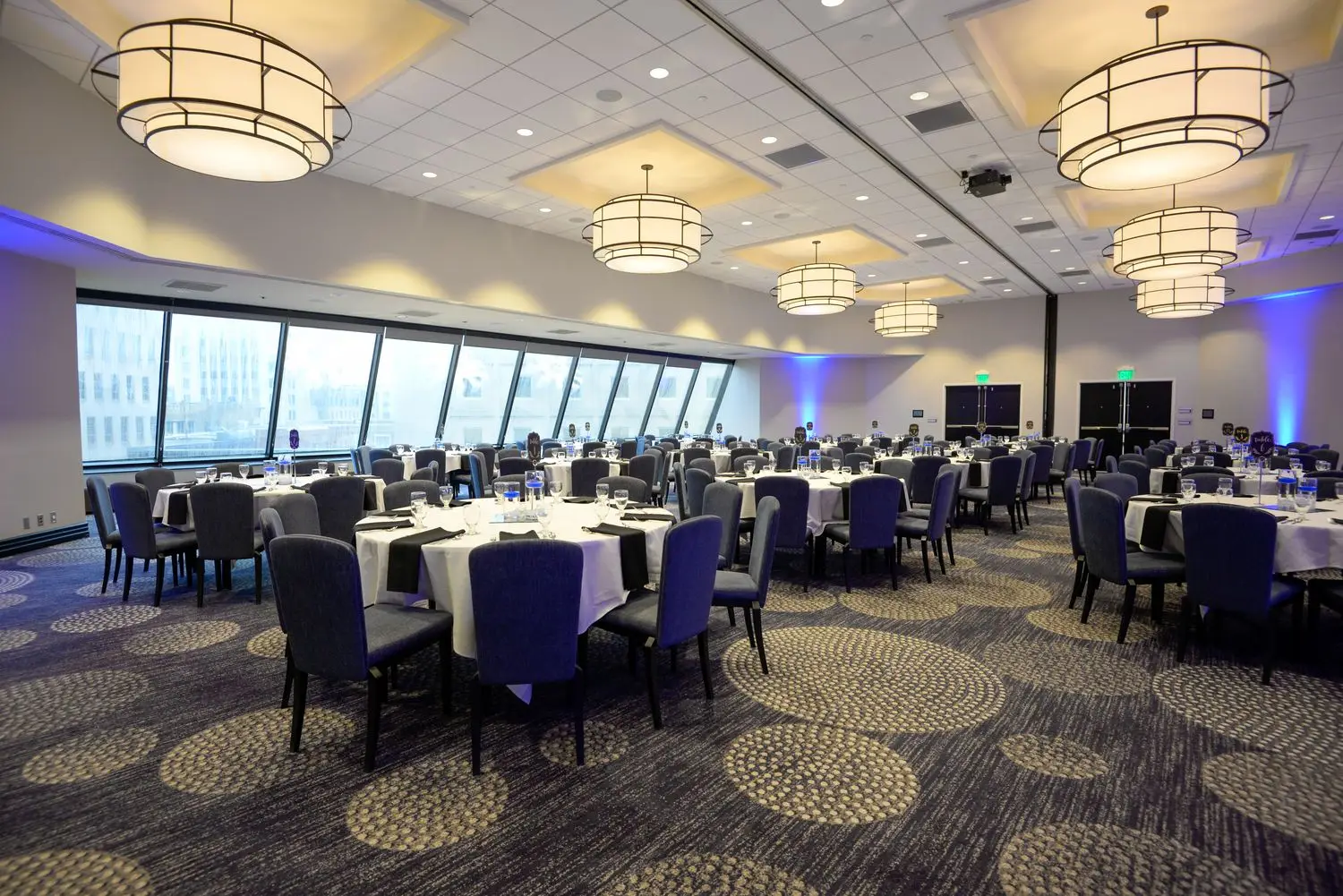
Company events often have defined arrival periods, speeches, presentations, meal service, networking windows or timed activities. We use those schedule points to decide when equipment should be available and where it should sit in relation to the main programme.
For conference-style venues, we also account for loading access, service elevators, room turnover and restrictions on when equipment can enter or leave.
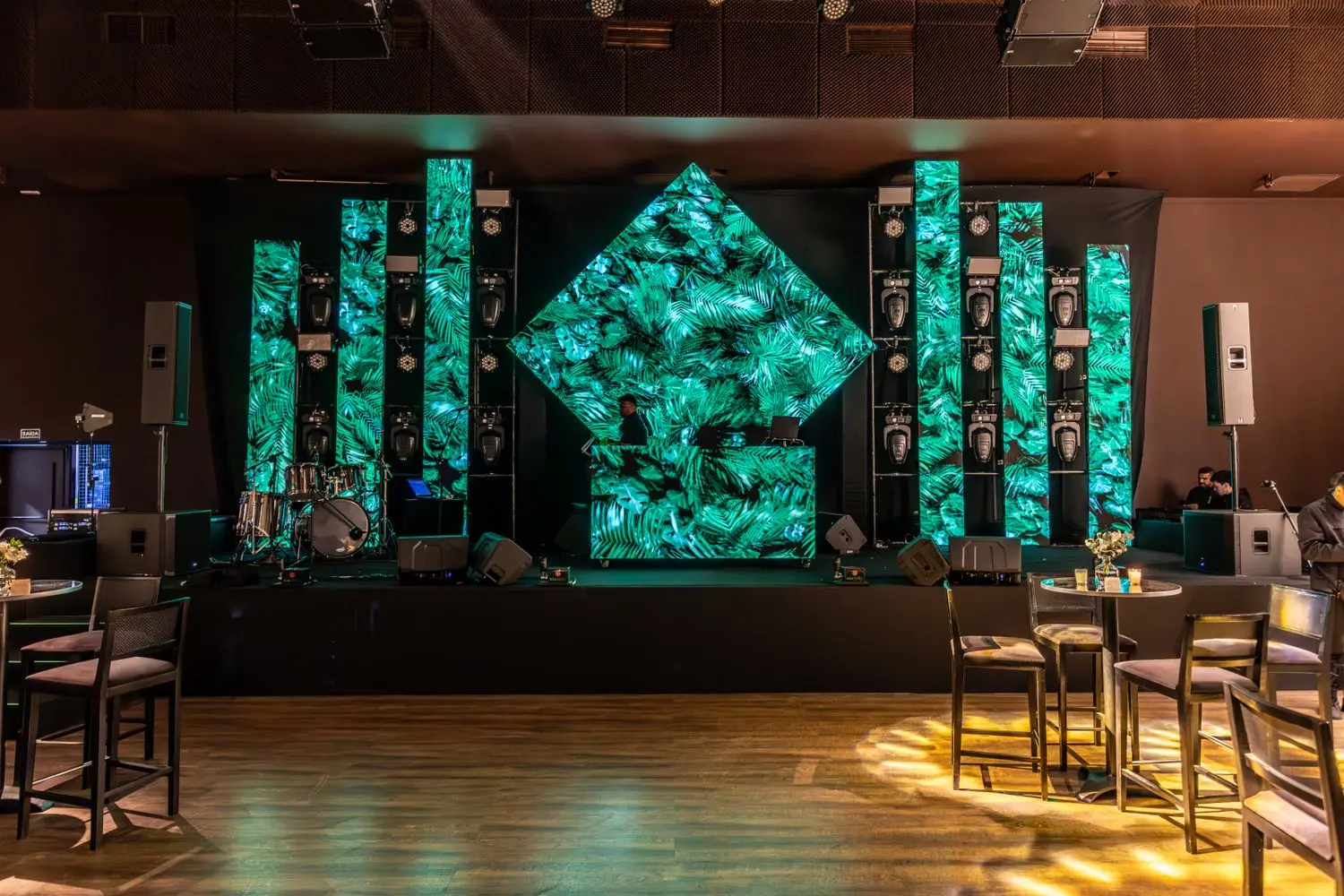
Useful for small-group interaction and longer conversations when the event includes unstructured social time.
Provide quick-turn activities that are easy to join between scheduled moments or during an open networking period.
Create a visible shared activity and a natural meeting point that can be aligned with event styling or brand visuals.
Confirm the correct entrance, loading time, parking rules and any service elevator requirements.
Identify when the rental team can enter the event space relative to venue setup and other suppliers.
Reserve the activity zones early enough that tables and powered equipment do not conflict with fixed seating or presentation areas.
Confirm suitable electrical points for any powered gaming or photo equipment.
Decide whether activities remain open throughout or operate during defined social windows.
Coordinate pack-down with the venue’s room-clearance and closing schedule.
A smaller staff event may only need a few poker tables or arcade machines. A larger company event may benefit from several distributed zones so attendees are not pulled into one crowded area.
When you send an enquiry, include the approximate attendee count, venue name or type, access window and the point in the agenda when entertainment should be available. That information makes the first recommendation far more useful.
Start a corporate enquiryAt a corporate event, availability alone does not guarantee participation. If a gaming area opens while attendees are expected in a presentation, the equipment may sit unused and then become congested during the next break. We therefore recommend identifying the main participation windows before deciding quantities.
For networking formats, several smaller activity points can help distribute people around the room and create natural conversation starters. For a staff celebration with a longer social period, a larger anchor zone may be more effective.
Where required, we can work from a venue contact, loading instructions and a supplied floor plan. The organizer should confirm any restrictions on delivery routes, floor protection, electrical access, setup times and pack-down deadlines.
Clear venue information reduces last-minute changes and helps all suppliers use the same access window without competing for the same loading space.
A networking reception, team celebration and conference social period do not need the same layout. The equipment mix should support what organisers want attendees to do during unscheduled time.
Quick gaming stations and a visible photo area create low-pressure reasons to interact. A small poker zone can add a longer conversation setting for attendees who prefer to remain in one activity for more time.
Competitive gaming and poker can create informal shared experiences without requiring the entire group to participate in one activity at the same moment. Multiple zones let teams circulate and regroup naturally.
A coordinated photo zone can provide a strong visual focal point, while gaming equipment adds activity around it. The layout can remain polished by keeping technical elements, cables and storage outside primary sightlines.
Professional venues often have specific requirements for loading access, service lifts, floor protection, power distribution, setup times and collection. Sharing those requirements in advance allows the rental plan to match the site rather than forcing changes after equipment arrives.
A simple floor plan is especially useful when several activity types are being combined. Poker tables need chair clearance, gaming stations need standing and spectator areas, and photo booths need depth and queue space. Mapping those needs before delivery protects presentation areas and keeps primary circulation routes clear.
Event timing should also be part of the equipment brief. If entertainment opens after formal presentations, installation may need to be completed before guests enter while the equipment remains visually quiet until the programme changes. If the entertainment is available from arrival, the zones should be obvious immediately and ready for participation from the first guest.
When this information is available early, the proposal can be operationally realistic as well as visually appropriate.
Team interaction, client engagement, casual networking and staff celebration each suggest a different balance between seated, quick-turn and photo-based activities.
Setup time before attendees arrive determines how complex the installation can reasonably be and whether different suppliers must share the same access period.
We look at entry points, scheduled seating and presentation areas so entertainment zones encourage movement rather than creating a dead end.